Table Of Content
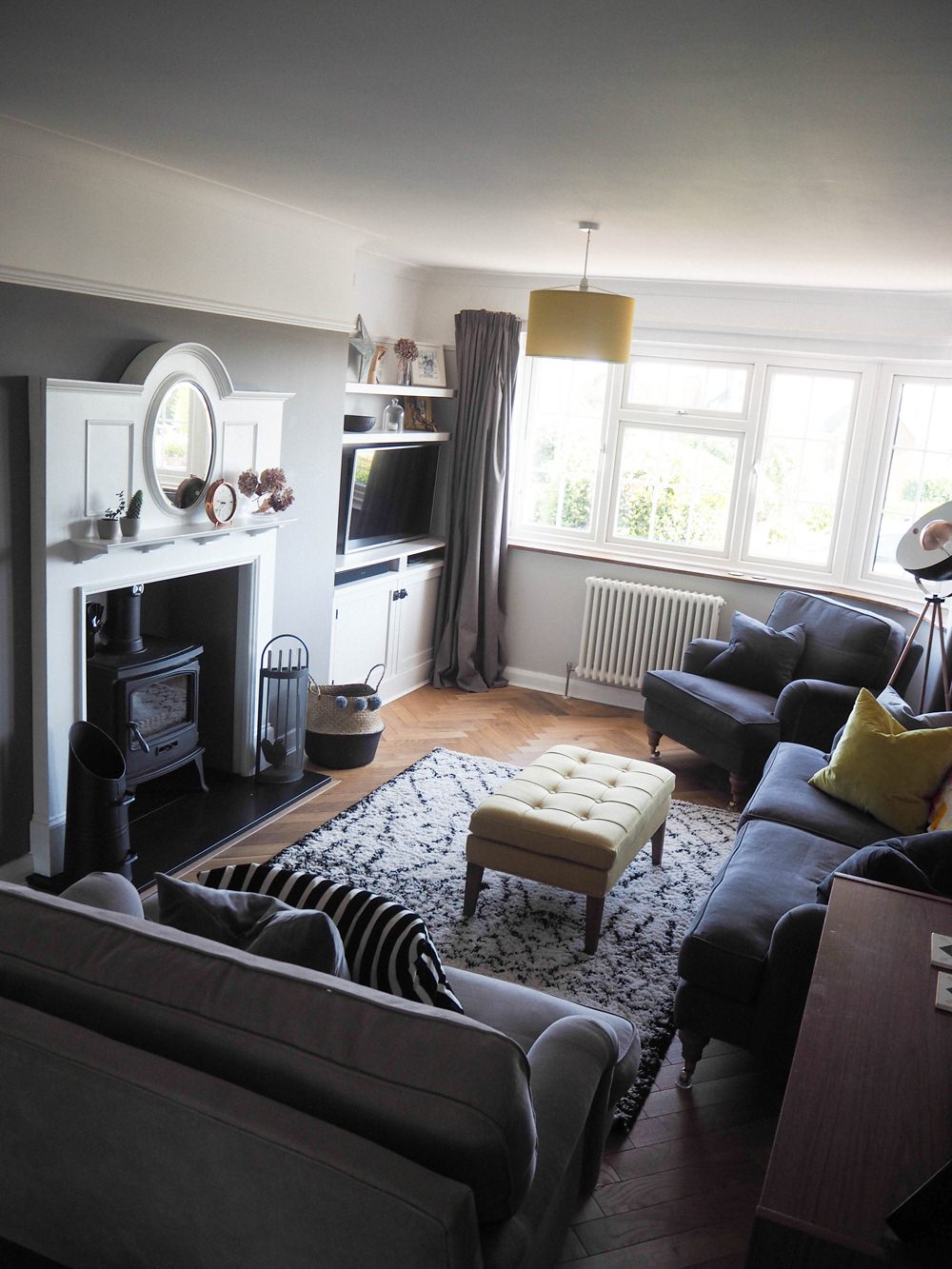
In conclusion, transforming your space with 1930s style is all about embracing the retro chic charm of this nostalgic era. By incorporating bold geometric patterns, vibrant colors, sleek furniture, statement lighting, and vintage-inspired accessories, you can create a space that exudes the glamour and sophistication of the 1930s. Step back in time and let the charm of this bygone era inspire your interior design choices. One of the key elements of Art Deco interior design is the use of geometric patterns and shapes. From chevron and herringbone patterns to sunburst motifs and zigzag designs, geometric shapes were prominently featured in furniture, textiles, and architectural details.
Watch This Acclaimed Interior Designer Renovate a 1930 Spanish Colonial House - Apartment Therapy
Watch This Acclaimed Interior Designer Renovate a 1930 Spanish Colonial House.
Posted: Sun, 19 Jul 2020 07:00:00 GMT [source]
Mid-Century Modern
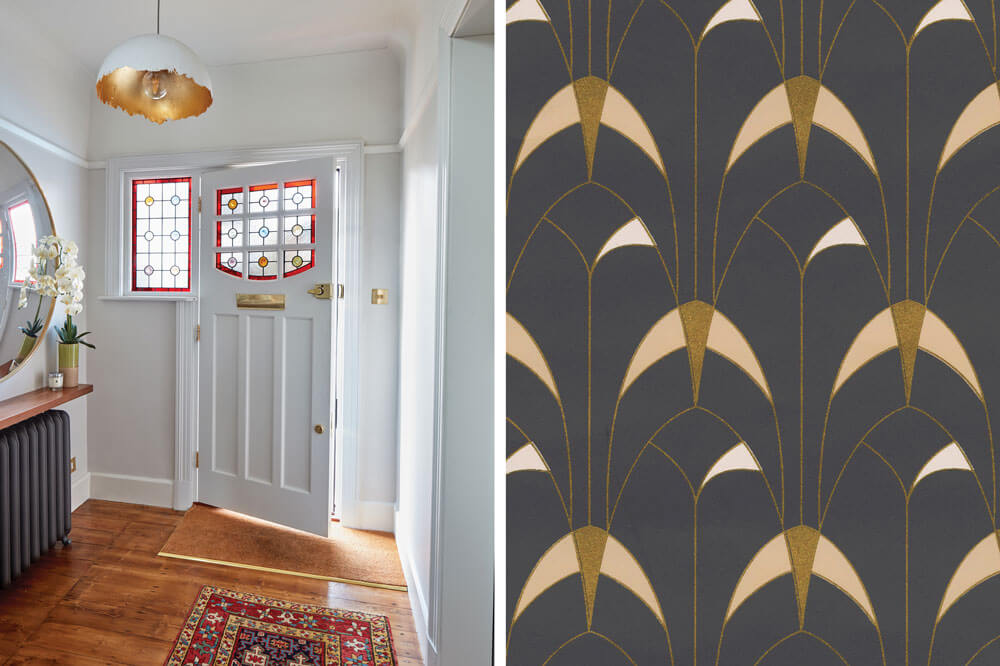
This style often included flat planes, large windows, and open spaces, intending to create a simplistic yet functional design. Edwardian properties displayed lighter, more subtle decorations as compared to Victorian homes. They often featured more space, larger windows, and simpler interior layouts that reflected the changing times. Moon says opting for a bit of eclecticism is another way to infuse Art Deco decor into your home. Further, vertical space is often viewed as an antithesis to Frank Lloyd Wright’s prairie style, as well as similar movements that predated Art Deco and embraced horizontal space.
#29 Yellow Armstrong kitchen with geraniums, 1936
With iconic design. Flat in a 1930s apartment building - Magazyn WhiteMAD
With iconic design. Flat in a 1930s apartment building.
Posted: Fri, 12 Jan 2024 08:00:00 GMT [source]
Streamline Moderne furniture used shapes that resembled teardrops and torpedoes as part of its design style. The sleek, smooth surfaces of this design style had minimal decoration and never used brightly colored patterns or bold designs. Furniture in the Art Deco style is characterized by its sleek and streamlined silhouette, featuring curved lines, geometric shapes, and polished finishes. High-quality materials such as exotic woods, lacquered surfaces, and mirrored accents were commonly used to create furniture pieces that exuded elegance and sophistication. Upholstered pieces often featured rich velvet or silk fabrics in vibrant colors, adding a luxurious touch to the overall design. In addition to the use of bold patterns, luxurious materials, vibrant colors, and sleek lighting, 1930s interiors also often featured glamorous accessories and decorative elements.
Significance and Influence of 1930s Design Today
Flooring often featured Armstrong linoleum, which came in a variety of patterns and hues to suit any room’s color scheme. Surfaces gleamed with chrome accents and mirrors, adding a touch of sleekness and light. To achieve that authentic 1930s vibe, incorporate these materials into your space thoughtfully.
Fashion and Art Deco Influence
His examples of Art Deco furniture using curved lines and sleek surfaces have been used as models for this style for decades. The style itself is rectilinear, which means it emphasizes vertical lines and geometrics. Zigzags, sunbursts, and chevrons (all designs using repeating patterns) can be seen in this style. At times, it echoed Egyptian influence in its use of scarab beetles and lotus flowers, but other than that there were no curvatures, vines, or flowers in order to emphasize simplicity. The decade saw a departure from ornate, heavy fixtures to simpler, more geometric designs.
: Modernism

Similarly, the 1936 pink polka dot kitchen introduced a whimsical touch while incorporating features like a linoleum counter for ease of cleaning. In the 1930s, your living room was not just a space for entertaining guests but also a display of modernity and comfort. Materials typically allocated for home design were requisitioned for the war effort, leading to innovation in the use of alternative materials. This nostalgic aesthetic emphasized craftsmanship, intricate detailing, and a connection to heritage.
This section explores the profound impact of the Great Depression on household aesthetics as well as the enduring charm of Fashion and Art Deco that characterized the period. Industrialization and the rise of mass production greatly impacted furniture in the 1930s. The use of materials such as steel, glass, and chrome represented industrialization. At the same time, the rise of mass production gave people more access to a wide variety of consumer goods.
A Response to Economic Times: Simplicity and Ingenuity
A popular feature was the 1931 Sealex Veltone linoleum, known for its durability and stylish patterns that complemented the furniture. The hallmark of the 1930s design aesthetic was a careful blend of ornament and functionality, giving your home a touch of elegance without sacrificing practicality. This decade, nestled between the roaring twenties and the pre-war forties, held its own with distinctive styles that influence even today’s interiors.
Black-And-White Tile With a Modern Twist
You might also have seen the 1936 key lime living room, where vibrant colors were used to create a lively yet sophisticated area for social gatherings. In the 1930s, key figures emerged who significantly shifted the landscape of interior design. Let’s look at how Dorothy Draper and Donald Deskey carved out new approaches that harmonized with the economic and social climate of their era, influencing the way your space might be designed today. Selecting vintage furniture from the 1930s means looking for pieces that exhibit clean lines and streamlined forms. Expect to see a lot of steel and iron used in frames, often combined with luxurious upholstery.
Remember, the key is to create a harmonious blend of these elements that aligns with your personal style and preferences. Whether you choose authentic vintage pieces or modern interpretations, the goal is to capture the essence of 1930s design while making it feel relevant and comfortable in your home. Moving on with our 1930s ideas, we have a lovely interior design that has all the essential details of a luxurious bathroom.
And the dominance of beige, green, brown, and white in the interior make it feel calming and inviting. The dining room at the New York City home of David and Abby Rockefeller Milton was designed by Donald Deskey in 1933. Step into our time machine and learn of the many trends that may have you waxing nostalgic about your childhood home or first apartment. Developers also embraced simplified versions of Georgian Colonials, Spanish Colonial, and other American colonial styles.
A cyan/blue refrigerator with round corners, a green shelf, and some lively pillows on the bench can instantly turn the design around. Don’t overdo it, though, as that could take you in the direction of maximalist or Bohemian-style designs (which isn’t necessarily bad, yet it won’t be a 30s interior anymore). Being more connected than ever globally brought cultural objects from abroad—Moroccan poufs, carved wood cabinetry and tables from India, and African patterned textiles — to decorate homes more than ever.
McMansion dwellers found warmth and Old World charm in the Tuscan design aesthetic, particularly in the kitchen, emphasizing earth tones, decorative wood cabinetry, and other ornamentation. Many iconic pieces still in demand today arrived, such as the Eames molded fiberglass chairs and Saarinen's pedestal tulip fiberglass chairs and iconic dining tables. To relive the most memorable design movements over the last 100 years, Living Spaces traveled back in time via archival home images in magazines, libraries, museum collections, and Instagram accounts. Historical overviews by Architectural Digest, Interior Design, and Better Homes & Gardens also provided insights into the pivotal events of the era that helped shape American interior design. Visionary inventor and philosopher Buckminster Fuller conceived the geodesic dome as a housing solution for a struggling planet. Other architects and designers built upon Fuller's ideas to create a variety of dome-shaped dwellings.
Linoleum flooring frequently featured a checkerboard pattern of two alternating colors. It’s one of the most significant and bold kitchen design choices you can make for a vintage feel in your kitchen. The advantages of linoleum flooring include the fact that it’s a natural material that is easy to install and maintain, although it does need periodic resealing. Predating midcentury-modern aesthetics, Art Deco drew influences from Art Nouveau, the Bauhaus school, and Cubism.


No comments:
Post a Comment